

Tips for Hearing Aids: Care, Maintenance, and Cleaning Tips

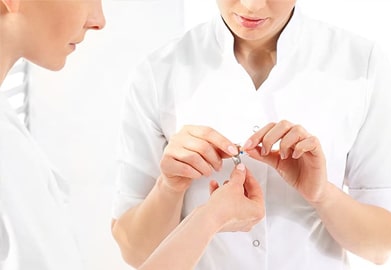
Hearing aids are an important investment in everyday communication, confidence, and overall quality of life. Following the right tips for hearing aids helps protect that investment and ensures consistent performance over time. With regular care, proper handling, and simple cleaning habits, hearing aids can remain comfortable, reliable, and effective for years.
At Bravo Hearing Centre, we help individuals get the most out of their devices through professional guidance, ongoing support, and practical education. Understanding how to use and care for hearing aids properly can make a meaningful difference in daily listening experiences.
Comprehensive Care of Hearing Aids in Etobicoke and Toronto
Professional guidance plays a key role in caring for hearing aids and maintaining their long-term performance. Hearing aids are precision devices, and even small adjustments or hygiene issues can affect how well they work.
At Bravo Hearing Centre, we support individuals throughout Etobicoke and Toronto by offering personalized care based on lifestyle needs and device type. Regular check-ins help ensure hearing aids remain clean, comfortable, and properly adjusted. Understanding the different types of hearing aids is also important, as each style has unique care and maintenance requirements.
With the right combination of daily habits and professional support, hearing aids can continue delivering clear, dependable sound.
5 Tips for Hearing Aid Users
Following consistent daily habits is one of the most effective ways to protect your devices. These practical tips for hearing aids focus on proper use, handling, and maintenance.
1. Wear your hearing aids consistently
Wearing hearing aids daily helps you adjust more comfortably and allows the devices to perform as intended throughout different listening environments.
2. Handle hearing aids with clean, dry hands
Always make sure your hands are clean before inserting or removing your devices. Oils, lotions, and cosmetics can interfere with microphones and sound ports.
3. Keep hearing aids dry
Moisture is one of the most common causes of hearing aid issues. Remove devices before showering, swimming, or exposure to heavy humidity.
4. Clean hearing aids every day
Daily cleaning helps prevent earwax and debris from building up. Learning how to keep hearing aids clean supports sound clarity and device longevity.
5. Store hearing aids safely
When not in use, store hearing aids in a protective case to avoid dust, damage, or accidental drops.
These habits form the foundation of good hearing aid maintenance and help reduce the need for unexpected repairs.
How to Insert and Remove Hearing Aids Safely
Knowing how to wear hearing aids properly protects both your ears and the device. Insert hearing aids gently, following the orientation recommended by your specialist. Never force a device into place, as this can damage internal components or affect comfort.
When removing hearing aids, hold them securely and pull them out slowly. This reduces strain on delicate parts and minimizes the risk of dropping them. Developing safe insertion and removal habits supports comfort and extends device lifespan, especially for those new to wearing hearing aids.
Best Practices for Keeping Your Hearing Aids Clean
Learning how to keep hearing aids clean is essential for consistent sound quality and hygiene. Daily cleaning prevents wax and debris from interfering with microphones and receivers.
Use a soft, dry cloth or a small cleaning brush designed for hearing aids. Avoid water, alcohol, or household cleaning products, as moisture can damage internal components. Pay special attention to sound openings, microphone ports, and battery compartments.
Keeping the battery door open overnight allows moisture to evaporate. Many users also benefit from drying kits or dehumidifiers to support proper hearing aid hygiene. Consistent cleaning routines are a core part of effective hearing aid maintenance.
Common Hearing Aid Problems and How to Fix Them
Even with good care, occasional issues can arise. Some common hearing aid problems include muffled sound, feedback, or batteries not lasting as long as expected.
If you’re wondering why your hearing aid is not working, first check for wax buildup, moisture, or low battery power. Cleaning the device and replacing batteries often resolves minor concerns. Persistent issues may indicate the need for professional support.
If problems continue, our hearing aid support services can help identify and address performance concerns efficiently.
Getting Used to New Hearing Aids: Tips for First-Time Users
Adjusting to new hearing aids takes time. Sounds may initially feel different, and wearing the devices for gradually longer periods each day can help with adaptation. These tips for first-time hearing aid users focus on patience and consistency.
It’s normal to notice environmental sounds more clearly at first. Regular use helps your brain adapt to these changes. Supportive guidance during a hearing aid trial can make the adjustment process smoother and more comfortable.
Hearing Aid Batteries: How to Extend Their Life
Battery care is an important part of hearing aid maintenance. If hearing aid batteries are not lasting as expected, small changes can make a difference.
Turn off hearing aids when not in use and keep battery doors open overnight. Store batteries in a cool, dry place and avoid frequent on-and-off switching during the day. Understanding the factors affecting the battery life of hearing aids can help extend performance and reliability.
Storing Your Hearing Aids Safely
Proper storage protects hearing aids from moisture, dust, and damage. Always store devices in a protective case when not in use. Avoid leaving them in direct sunlight, near heat sources, or in humid environments.
Learning how to store hearing aids correctly helps preserve delicate components and supports long-term hearing aid care.
When to Seek Professional Help for Your Hearing Aids
If hearing aids feel uncomfortable, stop working consistently, or no longer meet your listening needs, it may be time to seek professional guidance. Regular check-ins help address hearing aid issues before they become disruptive.
Need help with maintenance or repairs? Visit our hearing clinic today and speak with a specialist who understands how to care for hearing aids effectively.
FAQs About Caring for Hearing Aids
Can I Swim with My Hearing Aids On?
No. Water exposure can damage hearing aids. Always remove them before swimming or showering.
How Often Should I Change My Hearing Aid Battery?
Battery life varies by usage and device type, but replacing batteries as soon as performance drops is recommended.
What Should I Do If My Hearing Aid Is Whistling?
Whistling may indicate improper fit or wax buildup. Cleaning the device often resolves this issue.
How Can I Prevent Earwax Buildup in My Hearing Aids?
Daily cleaning and routine maintenance help reduce wax-related problems and support hearing aid care.
Talk to a Specialist About Your Hearing Aid Care
Professional support makes caring for hearing aids easier and more effective. At Bravo Hearing Centre, we provide personalized guidance, maintenance support, and ongoing care for individuals throughout Toronto.
If you have questions or need assistance, contact us or visit our clinic to speak with a hearing aid specialist who can help you get the most from your devices.
