

Understanding the Different Types of Hearing Aids
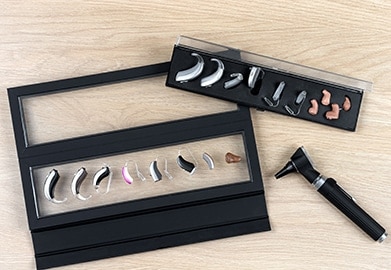

Understanding the different types of hearing aids available today can make choosing the right option feel far more manageable. Modern hearing aids come in several styles, each designed to address different hearing needs, comfort preferences, and daily lifestyles. Some sit behind the ear, others fit partially or fully inside the ear canal, and each category offers distinct advantages.
At Bravo Hearing Centre, we believe informed decisions lead to better outcomes. Learning about the main categories of hearing aids helps you understand what options exist before discussing solutions during a personal consultation.
How Many Types of Hearing Aids Are There?
People often ask us how many types of hearing aids there are. While technology continues to evolve, most modern hearing aids fall into six main categories:
- Behind-the-Ear (BTE)
- In-the-Ear (ITE)
- In-the-Canal (ITC)
- Completely-in-the-Canal (CIC)
- Receiver-in-Canal or Receiver-in-the-Ear (RIC/RITE)
- Invisible-in-the-Canal (IIC)
Each style differs in size, placement, visibility, and feature availability. The right choice depends on hearing needs, comfort, dexterity, and how the devices fit into your daily routine. A professional consultation helps narrow down which category aligns best with your goals.
Behind-the-Ear (BTE) Hearing Aids
Behind-the-Ear hearing aids sit comfortably behind the ear and connect to an earmold or dome inside the ear canal using a thin tube. They are known for durability, versatility, and a wide range of power levels.
Advantages
- Durable design suitable for daily wear
- Accommodates advanced features and larger batteries
- Easy to handle and adjust
Ideal Users
BTE hearing aids are well-suited for individuals seeking reliable performance, ease of handling, and flexible feature options across many listening environments.
In-the-Ear (ITE) Hearing Aids
In-the-Ear hearing aids are custom-made to fit within the outer portion of the ear. Available in full-shell and half-shell designs, they balance visibility with functionality.
Advantages
- Custom fit for comfort and stability
- Larger batteries than smaller styles
- Space for additional features
Ideal Users
ITE hearing aids are a good option for those looking for accessible controls, longer battery life, and a device that remains easy to manage day to day.
You can explore available models on our products page.
In-the-Canal (ITC) and Completely-in-the-Canal (CIC)
ITC and CIC hearing aids are smaller, custom devices that fit partially or fully inside the ear canal. They are designed with discretion and natural sound delivery in mind.
Advantages
- Less visible than larger styles
- Natural sound experience using ear acoustics
- Reduced wind noise for outdoor environments
Ideal Users
These styles appeal to individuals who value subtle design and are comfortable handling smaller devices. To discuss fit options, we recommend contacting our team.
Receiver-in-Canal (RIC) and Receiver-in-the-Ear (RITE)
RIC and RITE hearing aids feature a small behind-the-ear component connected to a receiver placed directly in the ear canal. This design offers a balance of comfort, sound clarity, and discreet appearance.
Advantages
- Clear, natural sound quality
- Smaller behind-the-ear housing
- Comfortable for extended wear
Ideal Users
RIC and RITE hearing aids are popular among individuals seeking modern hearing aids that combine performance with a streamlined look.
Invisible-in-the-Canal (IIC) Hearing Aids
Invisible-in-the-Canal hearing aids are designed to fit deep inside the ear canal, making them nearly invisible when worn.
Advantages
- Extremely discreet appearance
- Natural sound delivery
- Reduced wind interference
Ideal Users
IIC hearing aids are best suited for those who prioritize discretion and are comfortable with smaller, custom-fit devices.
Hearing Aid vs. Cochlear Implant
When comparing a hearing aid vs. a cochlear implant, it is helpful to understand their basic differences at a high level. Hearing aids amplify sound and deliver it through the ear’s natural hearing pathway. Cochlear implants work differently by converting sound into electrical signals that stimulate the hearing nerve through implanted components.
Both options serve different purposes and operate using distinct technologies. Questions about how these solutions differ can be explored during a consultation, where individual circumstances and goals are discussed in more detail.
Cost Considerations of Hearing Aids
When discussing the cost of hearing aids, it is important to understand that several factors influence overall investment. These may include the technology level, available features, customization, and the level of follow-up support provided.
Costs vary from person to person, and hearing aids are never one-size-fits-all. At Bravo Hearing Centre, pricing and options are reviewed during a personal consultation so individuals can make informed decisions based on their needs and expectations.
For more information, please contact us.
Finding the Right Hearing Aid for Your Needs
Choosing from the many modern hearing aids available today involves more than selecting a style or size. The right solution depends on how you live, where you spend your time, and what listening situations matter most to you. Everyday environments, such as conversations at work, social gatherings, phone calls, and television viewing, can all influence which features and design elements will be most helpful.
Comfort and ease of use are equally important. Factors such as how a hearing aid fits in or behind the ear, how easy it is to adjust settings, and how it feels during extended wear all contribute to long-term satisfaction. Some people prefer devices with simple controls, while others value advanced features that automatically adapt to changing sound environments.
Professional guidance plays a key role in this process. A consultation allows your hearing needs, listening goals, and preferences to be reviewed together, ensuring the recommended options align with your daily routine rather than just technical specifications. This personalized approach helps avoid unnecessary complexity and supports better outcomes over time.
Ongoing care is also part of choosing the right hearing aid. Regular adjustments, performance checks, and professional support help ensure your devices continue to deliver clear, comfortable sound as your needs evolve. Learn more about the continued care and ongoing maintenance your hearing aids require.
If you are exploring hearing aids for the first time or considering a change, connecting with a hearing professional can provide clarity, confidence, and guidance at every step. Reach out to Bravo Hearing today and let us help you get started on your next step toward clearer hearing.
