

What Happens When Earwax Builds Up? Signs, When to Seek Support, and What to Expect

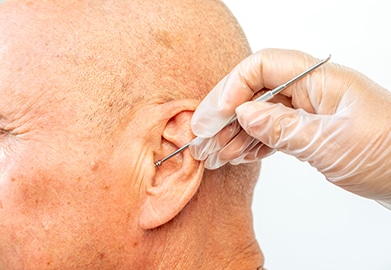
Earwax, also called cerumen, is a natural substance that helps protect the ear canal. It traps dust and debris, helps keep the ear canal lubricated, and normally works its way toward the opening of the ear on its own.
Sometimes, however, earwax does not clear as expected and begins to accumulate. Earwax buildup signs may include muffled hearing, a feeling of fullness in the ear, pressure, itchiness, or discomfort. Earwax can also interfere with the fit or performance of hearing aids.
These symptoms do not necessarily mean that earwax is responsible. Hearing changes, fullness, ringing, dizziness, and discomfort can have other causes, which is why persistent or unexplained symptoms are worth having professionally assessed.
Understanding what earwax buildup can feel like, why it happens, and what to expect from an assessment can help you make an informed decision about when to seek support.
What Causes Earwax Buildup?
Earwax is usually self-clearing. Movements of the jaw, along with the natural movement of skin in the ear canal, gradually help move wax outward. Buildup can occur when this process is disrupted or when more wax accumulates than the ear can naturally clear.
Factors that may make buildup more likely include:
- Narrow or curved ear canals
- Frequent use of hearing aids, earbuds, or earphones
- Naturally higher wax production
- Inserting cotton swabs or other objects into the ear canal
Earwax also varies naturally from person to person. It may be wet and sticky or dry and flaky, and both types are normal. Regardless of type, wax can accumulate if it does not move out of the ear effectively.
What Are the Signs of Earwax Buildup?
Possible signs of earwax buildup include:
- Muffled hearing: Sounds may seem less clear or more distant than usual.
- A feeling of fullness in the ear: One or both ears may feel plugged or blocked.
- Pressure or discomfort: Accumulated wax may be associated with an uncomfortable sensation in the ear.
- Itchiness: Some people notice irritation or itching around the ear canal.
- Ringing or buzzing: Tinnitus may sometimes occur alongside earwax buildup.
- Changes in hearing aid performance: Wax can interfere with hearing aid components or affect how a device sits in the ear.
So, can earwax cause hearing problems? A buildup that obstructs the ear canal may interfere with sound reaching the eardrum and contribute to muffled or reduced hearing. However, a change in hearing should not automatically be attributed to earwax.
Why These Symptoms Can Have Other Causes
One of the challenges with identifying an earwax blockage is that its possible symptoms are not unique to earwax.
For example, muffled hearing may occur with a wax blockage, but it can also be associated with other changes affecting the ear or hearing. Similarly, a feeling of fullness in the ear, ringing, discomfort, or dizziness does not by itself establish that excess earwax is present.
This distinction is particularly important when hearing changes appear suddenly, continue over time, or occur alongside other concerning symptoms. Assuming that earwax is responsible can delay an appropriate assessment of what is actually happening.
The same principle applies to hearing aid performance. Earwax may obstruct a hearing aid receiver or affect how an earpiece fits, but a change in device performance can have other explanations as well.
A professional assessment allows the ear canal to be examined directly rather than relying on symptoms alone.
When to Seek a Professional Assessment
Occasional earwax is normal and does not need to be routinely removed simply because it is present. Consider seeking professional support when symptoms are persistent, recurring, or affecting your hearing or comfort.
An assessment may be particularly useful if:
- Your hearing has become noticeably muffled or reduced
- An ear continues to feel blocked or full
- You have persistent pressure, itchiness, or discomfort
- You experience recurring wax buildup
- Your hearing aids are not fitting or performing as expected
- You are unsure whether earwax is actually causing your symptoms
Avoid trying to remove wax by inserting cotton swabs, hairpins, pens, or other objects into the ear canal. These can push wax deeper or irritate the ear canal. Ear candling should also be avoided.
If you have persistent hearing changes or other symptoms that concern you, professional assessment is preferable to repeatedly attempting to clear the ear yourself.
Bravo Hearing Centre offers a professional earwax assessment in Etobicoke and Mississauga for people who want to determine whether earwax may be contributing to their concerns.
What to Expect from an Earwax Assessment
An earwax assessment is intended to establish what is happening inside the ear before deciding whether professional earwax care is appropriate.
A hearing care professional can examine the ear canal using an otoscope, which provides a clear view of the canal and eardrum. This allows them to see whether excess wax is present and consider factors such as its amount, location, and consistency.
If wax is identified, the professional can determine whether removal is appropriate and discuss the available options. The approach may vary depending on what is observed and the individual’s circumstances.
Just as importantly, an assessment may show that earwax does not adequately explain the symptoms. If muffled hearing, fullness, discomfort, or another hearing change persists, further assessment may be recommended.
This assessment-first approach helps avoid assuming that every blocked sensation or hearing change is caused by wax. It can also provide useful guidance for people who experience recurring buildup or wear hearing aids as part of their hearing journey.
Frequently Asked Questions
Why Does My Ear Feel Full or Blocked?
A feeling of fullness in the ear may occur when earwax accumulates, but wax is not the only possible explanation. If the sensation persists, is recurring, or is accompanied by a hearing change or discomfort, consider having your ears professionally assessed.
Can Earwax Cause Hearing Problems?
Excess earwax may contribute to reduced or muffled hearing when it obstructs the ear canal. The effect can vary depending on the amount and location of the wax. Because hearing changes can have many causes, an assessment can help determine whether wax is involved.
Does Everyone Need to Have Their Earwax Removed?
No. Earwax is a normal and useful part of the ear's natural protective system, and it usually clears without assistance. Professional care may be considered when wax accumulates, causes symptoms, interferes with hearing aids, or cannot clear naturally.
Can Hearing Aids Contribute to Earwax Buildup?
Hearing aids sit in or around the ear canal and may affect the natural movement of earwax in some people. Wax can also accumulate on hearing aid components and interfere with their performance. If you wear hearing aids and experience recurring wax concerns, regular checks may be helpful.
Should I Use Cotton Swabs to Remove Earwax?
Cotton swabs should not be inserted into the ear canal to remove wax. They can push wax farther inward and may irritate the ear canal. If you suspect a blockage, having the ear examined can help determine whether professional care is appropriate.
What Happens If Earwax Buildup Is Left Alone?
Many people have earwax without experiencing any problems, and normal earwax does not need to be removed. If wax becomes impacted or is associated with persistent symptoms, however, it may continue to cause fullness, discomfort, muffled hearing, or hearing aid difficulties. A professional assessment can help determine the appropriate next step.
Will Removing Earwax Resolve My Hearing Concerns?
Not necessarily. If earwax is contributing to a blocked ear canal, addressing the wax may change the symptoms associated with that blockage. However, hearing concerns can have other causes. If hearing changes persist, further professional assessment may be appropriate.
