

How Often Should Adults Have a Hearing Test? A Guide for Seniors, Professionals, and Caregivers

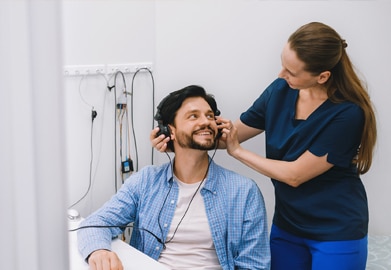
How often should adults have a hearing test? It is one of the most common questions adults ask when thinking about their long-term hearing health. Because hearing changes can happen gradually, many people do not notice the shift until communication becomes frustrating or tiring. Regular hearing checkups for adults help identify subtle changes early, supporting better conversations, stronger relationships, and overall well-being.
For seniors, working professionals, and caregivers, routine hearing care is an important part of staying independent and engaged. At Bravo Hearing Centre, we focus on proactive, personalized hearing support that helps adults feel confident in every listening environment.
Regular Hearing Checkups for Adults
Regular hearing checkups for adults create a clear baseline and allow hearing professionals to monitor changes over time.
Hearing Test Frequency for Healthy Adults
Adults without noticeable concerns should consider a hearing test every three to five years up to age 60. After 60, testing every one to two years is generally recommended. As part of understanding how hearing changes with age, routine testing helps identify gradual shifts that may affect speech clarity.
If you have not had a recent assessment, you can easily book a hearing test to update your hearing profile.
Adults with Noise Exposure Need More Frequent Tests
Adults exposed to workplace noise, loud recreational activities, or consistent environmental noise may benefit from annual testing. Even moderate but repeated exposure can influence hearing over time.
You can explore preventative solutions and professional support through our comprehensive hearing services and learn more about hearing protection for effective noise reduction.
Hearing Health for Caregivers
Hearing health for caregivers is an essential part of supporting aging loved ones. Often, caregivers notice communication changes before the individual recognizes them.
Signs Caregivers Should Watch For
You may observe frequent requests for repetition, misunderstandings during conversations, increased television volume, or withdrawal from social gatherings. These changes can indicate that a hearing check would be beneficial.
How Caregivers Can Support Hearing Appointments
Caregivers can provide reassurance, attend appointments, and share helpful observations. Being present during a hearing consultation often makes the experience more comfortable and productive.
If you would like guidance before scheduling, you are welcome to contact Bravo Hearing Centre for support.
Hearing Test Guidance for Seniors and Professionals
Both seniors and professionals rely on clear hearing to maintain daily confidence and performance.
Hearing Test Needs for Seniors
As hearing changes with age, higher-frequency sounds and speech clarity may gradually become more challenging. Seniors benefit from regular hearing checkups for adults every one to two years after age 60. Routine monitoring helps maintain independence and encourages active participation in social settings.
Why Professionals Benefit from Routine Hearing Tests
Professionals depend on accurate listening during meetings, phone calls, and virtual conversations. Even mild hearing challenges can affect productivity and workplace communication. Testing every few years, or sooner if concerns arise, helps maintain clarity and confidence.
Scheduling a proactive assessment is simple. You can book a hearing test at a convenient time.
How Long Does a Hearing Test Take?
Many adults hesitate because they are unsure how long a hearing test takes.
What To Expect During Your Appointment
A comprehensive hearing test typically takes 45 to 60 minutes. The appointment includes a conversation about your hearing history, a review of your listening environments, and a series of comfortable sound evaluations. Results are reviewed immediately, and recommendations are clearly explained. The process is informative, supportive, and designed to help you feel at ease.
You can learn more about what is included in our professional hearing services.
How To Know if You Need a Hearing Test
Understanding how to know if you need a hearing test allows you to act early and protect your long-term hearing health.
Everyday Signs You May Notice
Common signs include difficulty following conversations in background noise, frequently asking others to repeat themselves, turning up the television volume, or feeling mentally fatigued after social interactions. You may also find phone conversations less clear than before.
When Loved Ones Notice Changes Before You Do
Sometimes family members, friends, or coworkers notice changes first. If others mention that you seem to miss details or misunderstand parts of conversations, it may be time to schedule an assessment.
Taking that first step can make a meaningful difference. You can book a hearing test online or contact our team to ask questions before your visit.
Prioritize Your Hearing Health with Confidence
So, how often should adults have a hearing test? For most adults, every three to five years is appropriate, with more frequent evaluations after age 60 or with regular noise exposure. Proactive care supports better communication, stronger relationships, and long-term hearing confidence.
If you are ready to prioritize your hearing health, we invite you to book a hearing test or contact Bravo Hearing Centre today. Our team is here to provide professional, personalized hearing support every step of the way.
Frequently Asked Questions
What Are Early Signs That Adults May Need a Hearing Assessment?
Early signs include difficulty understanding speech in noisy environments, asking for repetition, increasing the volume on devices, and experiencing listening fatigue after conversations.
Can Workplace Noise Affect How Often Adults Need Hearing Tests?
Yes. Adults who are regularly exposed to workplace noise should consider annual hearing evaluations to monitor potential changes and support long-term hearing health.
What Age Should Adults Start Having Regular Hearing Tests?
Adults should establish a baseline hearing test in early adulthood and continue with routine testing every few years, increasing frequency after age 60.
How Can Caregivers Support a Loved One During Hearing Appointments?
Caregivers can attend the appointment, share observations about communication changes, provide reassurance, and help review recommendations to ensure consistent follow-up and support.
