

What Happens When Earwax Builds Up?

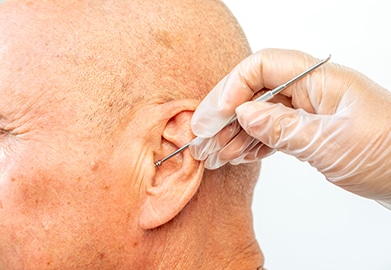
Earwax, or cerumen, is a naturally occurring substance that plays an important role in protecting and maintaining the health of your ears. But what happens when earwax builds up and doesn’t clear out as it should? For many people, this leads to discomfort, muffled hearing, dizziness, or problems with hearing aids.
While earwax buildup is very common, it is often poorly understood. Some individuals may not even realize that their hearing difficulties are due to excessive wax. At Bravo Hearing Centre, our hearing specialists offer in-clinic, affordable earwax removal using safe and medically supervised techniques. If you are experiencing blocked ears or unexpected changes in hearing, professional removal may be the solution.
Why Do We Have Earwax in the First Place?
Earwax is not something to fear or be embarrassed about. It is a protective, lubricating, and antimicrobial substance produced by glands in the ear canal. Its main function is to trap dust, debris, and microorganisms, preventing them from reaching deeper parts of the ear where they could cause harm.
Despite its unpleasant reputation, earwax is a helpful part of your body’s natural defence system. Everyone produces earwax, but not all people produce the same amount. Some generate more due to genetics, environmental factors, or health conditions. When this wax doesn’t exit the ear properly, it can accumulate and lead to blockages.
When Does Earwax Become a Problem?
Normally, earwax slowly migrates to the opening of the ear canal, where it dries out and falls away naturally. This process is usually efficient and self-regulating. However, earwax becomes a problem when this natural migration is disrupted or when excess wax is produced.
Some common causes of earwax buildup include:
- Narrow or curved ear canals
- Frequent use of earphones or hearing aids
- Overproduction of wax
- Improper cleaning practices, such as using cotton swabs
Do Different Types of Earwax Cause More Buildup?
There are two main types of earwax: wet (sticky and golden brown) and dry (flaky and pale). These types are largely determined by genetics. While both are normal, wet wax may be more likely to accumulate, especially if combined with narrow ear canals or frequent use of hearing devices.
Regardless of type, any earwax can lead to buildup if the ear’s natural cleaning process is disrupted.
When wax builds up and hardens, it can lead to impaction, which may block sound transmission, cause discomfort, or interfere with hearing aids. Learn more about our hearing aid services if you’re experiencing any of these issues.
How to Know If Your Ears Are Blocked
Wondering if your ears might be affected by a wax blockage? The symptoms can vary, but the most common signs of earwax buildup include:
- A feeling of fullness or pressure in the ear
- Sudden or gradual hearing loss
- Tinnitus (ringing or buzzing in the ear)
- Dizziness or imbalance
- Muffled or distorted hearing
- Itchiness or discomfort in the ear
These symptoms of earwax buildup can be uncomfortable and disruptive. If you are experiencing one or more of these issues, it may be time to speak with a hearing specialist about safe removal.
Can Earwax Really Affect Your Hearing?
Yes, it can. When earwax accumulates in the ear canal, it may block sound waves from reaching the eardrum. Even a partial blockage can lead to temporary conductive hearing loss, making sounds seem dull or distant.
For individuals who wear hearing aids, the presence of earwax can affect how the device fits and performs. Wax may block the sound outlet or microphone, cause feedback, or create a feeling of pressure in the ear. If your hearing aid is not functioning as expected, earwax may be part of the issue. Learn more at our hearing centre.
How Earwax Buildup Affects Your Hearing, Balance, and Daily Life
While the physical symptoms of wax impaction are well known, the broader impact on daily life is sometimes overlooked. Excessive earwax can interfere with speech clarity and reduce sound awareness, making it difficult to participate in conversations or follow instructions. This may lead to frustration, social withdrawal, or decreased confidence.
In some cases, wax buildup can trigger or worsen tinnitus, which can be especially distracting in quiet environments. Additionally, impacted wax can affect the inner ear’s sense of balance, leading to dizziness or vertigo, particularly in older adults or those already managing hearing issues.
If you are noticing any of these effects, contact Bravo Hearing Centre to find out whether earwax removal could help restore your comfort and hearing.
What Happens If You Don’t Remove It?
Leaving excessive or impacted earwax untreated can lead to more serious issues over time. Some of the potential risks include:
- Worsening of the blockage
- Progressive hearing difficulties
- Increased risk of outer ear infections
- Discomfort or pain
- Hardening of the wax, making it more difficult to remove
- Symptoms that mimic permanent hearing loss
For individuals who use hearing aids, blocked ears can reduce device performance and may even lead to damage if wax enters internal components. The dangers of earwax impaction highlight the importance of seeking professional support when needed.
What Not to Do When Cleaning Your Ears
Many people try to manage earwax buildup at home, but some common techniques can do more harm than good. The ear canal is delicate, and inserting objects can cause damage or push wax deeper into the canal, worsening the blockage.
Avoid the following:
- Using cotton swabs or Q-tips inside the ear canal
- Inserting hairpins, pens, or other household items
- Trying ear candling, which is not scientifically supported and can be dangerous
To ensure safe and effective care, it is always best to speak with a hearing professional.
Earwax Removal Methods
At Bravo Hearing Centre, we offer three safe and medically supervised earwax removal techniques, depending on your specific needs and ear condition:
- Irrigation: A gentle flow of warm water is used to flush wax out of the ear.
- Vacuum (Micro-suction): A small suction device carefully removes wax without water.
- Curette: A specialized tool is used to manually extract wax under visual guidance.
These earwax removal methods are performed by hearing specialists and are designed to ensure comfort, safety, and effective results. Learn more about our earwax removal services.
How to Tell If You Need Professional Ear Cleaning
Not everyone needs regular earwax removal, but some individuals are more prone to buildup than others. You may benefit from professional cleaning if you:
- Experience recurring earwax symptoms
- Have had a recent hearing test with unexpected results
- Use hearing aids or other devices in your ears
- Have a history of ear surgery or eardrum perforation
- Swim frequently or are exposed to dust and debris
- Have tried over-the-counter methods without success
If you’re unsure whether you need assistance, the safest way to clean your ears is to schedule a check with a qualified hearing specialist. Contact us today to book a visit.
Don’t Ignore the Signs
Earwax is natural and usually harmless, but when it builds up or becomes impacted, it can lead to hearing difficulties, discomfort, and balance issues. Fortunately, these problems are often easy to resolve with professional care.
At Bravo Hearing Centre, we provide safe and affordable earwax removal, along with a full range of hearing services to support your hearing health. If you are experiencing signs of earwax buildup or changes in your hearing, don’t wait. Learn more about our wax removal services or contact us to schedule a consultation with a hearing specialist.
