

Digital vs Analog Hearing Aids
Understanding the difference between digital and analog hearing aids is crucial when choosing a solution for hearing loss. With advancements in hearing aid technology, digital models are now the most common recommendation, but analog devices still appeal to some long-time users. This guide breaks down how each type works, its pros and cons, and how to choose the best one for your needs.
Table of Contents
- What Are Digital Hearing Aids?
- What Are Analog Hearing Aids?
- Are Digital Hearing Aids Better Than Analog?
- Benefits of Digital Hearing Aids
- Types of Hearing Aids That Use Digital or Analog Tech
- 4 Steps to Buying Hearing Aids
- Can I Try on Hearing Aids Before Buying?
- Digital vs Analog: Which Is Right for You?
What Are Digital Hearing Aids?
Digital hearing aids convert sound into a digital signal using an internal microprocessor. This allows for precise sound adjustments tailored to your unique hearing needs.
Key features of digital hearing aids include:
- Advanced sound processing that isolates speech from background noise
- Customizable settings programmed by your hearing care professional
- AI-based enhancements that adapt to various environments automatically
- Improved clarity, especially in noisy or dynamic settings
Modern digital hearing aids are discreet, comfortable, and come in various styles to suit different lifestyles and preferences. Learn more about the latest hearing aid products.
What Are Analog Hearing Aids?
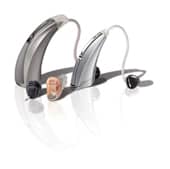 Analog hearing aids use traditional technology to amplify all sounds equally. They convert sound into electrical signals and then boost the volume before sending it into the ear.
Key features of analog hearing aids:
- Lower cost than digital alternatives
- Simpler design with fewer settings
- Often preferred by long-time users for their “warmer” sound
- Limited programmability, often requiring manufacturer intervention
While analog hearing aids are now less common, they remain a practical option for those who prefer simplicity and a more straightforward hearing experience.
Are Digital Hearing Aids Better Than Analog?
In most cases, yes. Digital hearing aids offer superior performance in a wide range of environments.
Comparing Key Features:
Digital Hearing Aids:
- Provide enhanced sound clarity
- Automatically reduce background noise
- Adapt to different environments using AI or smart settings
- Offer features like Bluetooth, tinnitus support, and app control
Analog Hearing Aids:
- Lower in cost
- Simpler to operate
- Favoured by users who want fewer adjustments or prefer legacy technology
Digital hearing aids offer more flexibility and personalization, making them the preferred choice for most modern users. Learn more about the hearing aid services available at Bravo Hearing Centre.
Benefits of Digital Hearing Aids
Digital hearing aids come with a host of innovative features that go far beyond basic sound amplification.
Key Benefits
- AI-driven Adaptability: Automatically prioritizes speech, identifies familiar voices, and adapts to new environments
- Directional Microphones: Enhance conversation by focusing on the speaker and reducing background noise
- Tinnitus Masking: Helps ease chronic ringing by generating comforting background sounds
- Connectivity: Stream calls, music, or TV directly to your hearing aids via Bluetooth
- Rechargeable Batteries: Convenient and eco-friendly
- App Controls: Adjust volume, change settings, and track health data
- Water Resistance: Many models feature protective coatings for daily wear
Explore additional hearing aid accessories that improve comfort and usability.
Types of Hearing Aids That Use Digital or Analog Tech
Today, most hearing aid styles use digital technology, though analog devices are still available in certain models.
Common Styles
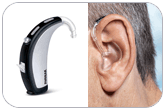 BTE (Behind-the-Ear)
Keeping the bulk of the hearing aid out of sight behind the wearer’s ear, while connecting into the ear through an ear mould, allows BTE hearing aids to be larger than most other types, which makes their controls easier to use. BTEs are the most reliable and powerful hearing instruments.
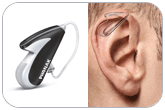 RIC (Receiver-in-Canal)
These are recommended for patients with high-frequency hearing loss. They are also called “open fit” hearing aids, as the receiver in the canal does not occlude or block the canal.
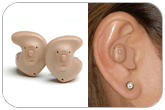 ITE (In-the-Ear)
Custom-made to fit entirely inside the ear, ITE hearing aids are smaller and lighter than BTEs, while still allowing for larger batteries and volume controls than most other hearing aid types.
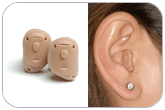 ITC (In-the-Canal)
Because it is designed to fit entirely in the ear canal, ITC aids are smaller and much less noticeable, both to the wearer and the observer. But, despite their size, some ITC aids are available with a volume control on the faceplate.
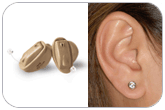 CIC (Completely-in-the-Canal)
The trend in hearing aid technology has always been toward being smaller, less visible and less obtrusive. The location of CIC aids, entirely inside the ear canal, makes them virtually invisible. Other advantages include needing less power, and users have no obstruction while using a telephone.
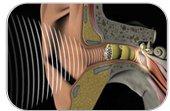 IIC (Invisible-in-the-Canal)
These hearing aids are the smallest of in-the-ear hearing aids and are, indeed, invisible. They sit deeply within the canal, and offer a crisper and more natural sound, simply due to the fact that IIC Hearing Aids rest so closely to the eardrum.
While analog models may still exist in BTE form, nearly all current models in these styles feature advanced digital processing. Visit our hearing aid centre to explore your options.
4 Steps to Buying Hearing Aids
Choosing the right hearing aid involves more than just picking a brand. Here are four steps to make your decision easier:
- Identify Your Lifestyle Needs
- Consider your daily environments, such as restaurants, meetings, home, or outdoors
- Think about features like connectivity, automatic adjustments, or tinnitus support
- Get a Professional Hearing Test
- Learn more about our expert team and schedule your hearing test
- A complete audiometric assessment helps determine the best type and style of hearing aid for your needs
- Ask About Trial Periods and Warranties
- Bravo Hearing offers a no-risk trial so you can test your device in real-world situations
- Ensure you understand the warranty, repair options, and return policies
- Consider Long-Term Support
- Follow-up care, adjustments, and cleanings are essential for long-term satisfaction
- Consult your specialist about any questions regarding future needs or upgrades
Need help getting started? Contact us today to speak with a hearing professional.
Can I Try on Hearing Aids Before Buying?
Absolutely. At Bravo Hearing Centre, we offer free hearing aid trials to help you make an informed decision.
- Try devices in real-life situations before committing
- Ensure comfort, sound quality, and fit
- Make adjustments with your specialist based on experience
This trial-first approach ensures that you are confident and satisfied with your investment. Reach out to us to learn more.
Digital vs Analog: Which Is Right for You?
Digital hearing aids offer a range of benefits, including better clarity, smarter features, and a tailored listening experience. That said, analog hearing aids may still be preferred by some for their simplicity and cost.
Ultimately, the right choice depends on:
- Your degree of hearing loss
- Lifestyle preferences
- Budget
- Comfort with technology
The best way to decide is to talk to a hearing professional. Schedule a consultation with Bravo Hearing Centre to find the perfect match for your needs.
