

BTE vs ITE Hearing Aids: How to Choose the Right One for You
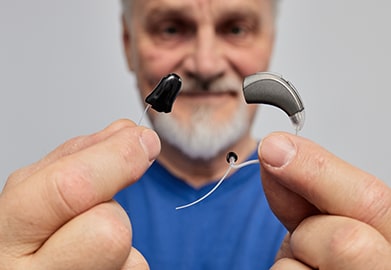
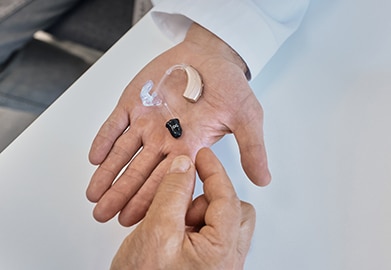
Choosing between BTE and ITE hearing aids is an important step when exploring the different types of hearing aids available today. Hearing aids play a key role in improving communication and daily confidence, and the two most popular designs are Behind-the-Ear (BTE) and In-the-Ear (ITE). Each style offers unique strengths depending on your preferences, comfort needs, and listening environments. This guide will help you understand the differences so you can make an informed decision based on your lifestyle and hearing goals. To explore more options, you can review the full range of types of hearing aids available.
What Are In-the-Ear (ITE) Hearing Aids?
ITE hearing aids are custom-made devices that sit directly inside the outer ear or within the ear canal. Their design makes them one of the most discreet hearing aid styles, appealing to users who prefer a compact solution that blends naturally with the ear. Since all components are contained in a single shell, ITE devices are easy to insert, remove, and maintain.
These hearing aids are available in full-shell, half-shell, and smaller canal-based designs, allowing flexibility based on comfort and cosmetic preference. ITE hearing aids work well for individuals looking for a balance of convenience and performance, especially those who want an unobtrusive device without external tubing or behind-the-ear components.
ITE models often feature wireless connectivity, directional microphones, and noise reduction, offering a modern listening experience within a minimalist design. You can browse a variety of options through our available hearing aids.
What Are Behind-the-Ear (BTE) Hearing Aids?
Behind-the-ear hearing aids rest comfortably behind the ear and connect to the ear canal through a slim tube or custom ear mould. Their larger frame allows for more processing power, stronger amplification, and long-lasting batteries, making them a dependable choice for individuals with mild to severe hearing loss.
BTE devices are known for their durability and stability, which is especially helpful for users who want secure, easy-to-use controls. Modern designs, including receiver-in-canal (RIC) and mini-BTE models, offer a sleeker appearance compared to older versions while maintaining excellent performance.
This style is appreciated by individuals who prioritize reliability across a wide range of listening situations. For more insight into how these designs fit into the broader landscape of available styles, you can explore the many different types of hearing aids.
BTE vs ITE Hearing Aids: A Detailed Comparison
Comparing BTE vs ITE hearing aids side-by-side can help you determine which option best aligns with your comfort preferences, cosmetic expectations, and hearing needs. Below is an easy-to-reference breakdown of how these two popular styles differ.
Comparison Table
| Feature | BTE Hearing Aids | ITE Hearing Aids |
|---|---|---|
| Location | Behind the ear with tubing or mould | Inside the outer ear or ear canal |
| Visibility | Slightly more noticeable | Discreet to nearly invisible |
| Power Level | Works for mild to severe hearing loss | Works for mild to moderately severe hearing loss |
| Durability | Highly durable with a larger casing | Moderate, depending on moisture exposure |
| Comfort | Leaves the ear canal open or partly open | Custom fit inside the ear canal |
| Controls | Larger, easier to manage | Smaller, may require more dexterity |
| Advanced Features | Often includes powerful processing | Offers many features in a compact form |
| Battery Types | Rechargeable or disposable options | Rechargeable or disposable options |
This comparison highlights what many users consider when choosing between in-the-ear and behind-the-ear hearing aids, including ease of use, power, size, and long-term comfort.
Which Style Is Better for Severe Hearing Loss?
For individuals with more significant hearing challenges, BTE devices tend to offer the best support. Their larger structure allows for stronger amplification and more advanced processing features, which can make a noticeable difference in environments with background noise or complex sound patterns. If greater power and clarity are your priorities, BTE hearing aids are typically the more suitable option.
Which Hearing Aid Style Is More Comfortable?
Comfort depends on personal preference. Some people appreciate the discreet and natural-feeling fit of ITE hearing aids, while others prefer the stable positioning of a BTE device that keeps the ear canal less obstructed. A hands-on trial is the best way to decide. You can experience both options through a free hearing aid trial to determine which feels most comfortable throughout your daily routine.
Cost of BTE vs ITE Hearing Aids: What You Need to Know
The cost of hearing aids varies depending on technology level, features, and style. ITE hearing aids can sometimes be more affordable because of their smaller build, although high-end versions may include advanced features that affect pricing. BTE hearing aids may cost slightly more when equipped with stronger processors or additional connectivity options, but they often provide greater long-term value due to their durability and power.
Budget plays a role in the decision-making process, and many users compare hearing aid styles based on expected maintenance and feature sets. If pricing is a concern, you can request a personalized hearing aid quote to understand what fits comfortably within your budget.
Are ITE Hearing Aids More Affordable Than BTE Hearing Aids?
ITE hearing aids can be more affordable than some BTE models, especially if you choose a basic or mid-range option with fewer features. However, the final cost depends on the technology inside the device rather than just the shape or size. Both BTE and ITE styles are available across multiple price points, offering flexible options for different budgets and preferences. When considering the cost of hearing aids, it is helpful to compare features side by side to understand the long-term value of each model.
FAQs About BTE vs ITE Hearing Aids
Can I Switch Between ITE and BTE Hearing Aids?
Yes. Many individuals switch styles if their hearing needs change or if they prefer a different fit. A hearing professional can help guide the transition and ensure your new device is properly suited to your lifestyle.
How Long Do BTE and ITE Hearing Aids Last?
Most hearing aids, whether BTE or ITE, last an average of five to seven years with proper care. Longevity depends on maintenance, environment, and how consistently the device is cleaned and serviced.
Making the Right Choice Between BTE and ITE Hearing Aids
Deciding between BTE and ITE hearing aids involves considering comfort, appearance, lifestyle, and hearing goals. Both styles offer unique strengths, and the right match depends on what feels natural and supports your daily communication needs. If you would like personalized guidance, the team at Bravo Hearing Centre is here to help you explore different hearing aid styles and find the option that fits best. You can begin the process by booking a professional consultation.
