

Hearing and Everyday Well-Being: What Adults and Their Families Should Know

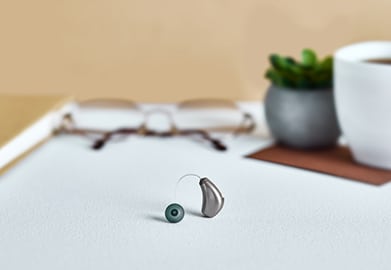
Hearing plays an important role in how we communicate, connect with others, and experience everyday life. From conversations with loved ones to enjoying favourite activities, being able to hear comfortably can make a meaningful difference in our daily interactions.
When hearing begins to change, these experiences may become more challenging. Some adults find themselves asking others to repeat information more often, struggling to follow conversations in busy environments, or feeling less confident in social situations.
The connection between hearing loss and mental health is an important area of ongoing research. Studies have identified associations between hearing difficulties, social participation, and emotional well-being. However, everyone’s experience is different, and hearing changes do not necessarily lead to emotional or social difficulties.
Understanding these connections can help adults and their families recognize potential challenges, explore practical communication strategies, and make informed decisions about hearing care.
The Social Experience of Hearing Changes
Many everyday interactions depend on hearing more than we realize.
Conversations in restaurants, family gatherings, workplace meetings, and social events often involve multiple voices and background noise. For someone experiencing hearing changes, following these conversations may require additional concentration and effort.
For example, you might hear someone speaking but have difficulty distinguishing individual words, particularly when several people are talking at once.
Some adults describe feeling mentally tired after spending time in noisy environments. Others may find themselves nodding along during conversations because they missed part of what was said.
These experiences can be frustrating, especially when hearing difficulties aren’t immediately noticeable to others.
Some adults find that hearing changes affect their confidence during everyday conversations. Someone who previously enjoyed lively group conversations may begin preferring quieter settings where it’s easier to follow what others are saying.
Recognizing these experiences is an important step toward finding communication approaches that work for individual needs.
For a better understanding of common hearing changes and their possible signs, explore our complete guide to hearing loss.
Hearing Loss and Social Isolation
Social connection is an important part of everyday well-being. Spending time with friends, maintaining relationships, and participating in community activities can provide a sense of belonging and enjoyment.
Research has identified an association between hearing loss and social isolation, particularly among older adults. A study published in Otolaryngology–Head and Neck Surgery examined this relationship, identifying an association between hearing loss and social isolation in certain groups of older adults.
However, this does not mean that hearing changes automatically lead to social withdrawal. Social participation is influenced by many factors, including personal preferences, mobility, relationships, and access to supportive environments.
Some adults with hearing difficulties may find themselves avoiding certain social situations because following conversations has become more challenging.
For instance, a person might decline an invitation to a crowded restaurant because they anticipate difficulty following the conversation. Another may participate less frequently in group discussions because they worry about misunderstanding what others are saying.
Over time, these experiences may contribute to feelings of frustration or disconnection for some individuals.
Research has also explored the relationship between hearing loss and depression. A systematic review and meta-analysis published in The Gerontologist identified an association between hearing loss and depressive symptoms among older adults. However, the relationship is complex, and these findings do not establish that hearing loss directly causes depression.
Importantly, hearing changes do not define someone’s social life or emotional well-being. Many adults continue to maintain fulfilling relationships and active lifestyles while adapting to changes in their hearing.
Understanding Your Hearing Through a Professional Assessment
If you’ve noticed changes in your hearing, a professional hearing assessment can help you better understand what you’re experiencing.
Hearing changes often develop gradually, making them difficult to recognize at first. You may notice that conversations seem less clear, television volume preferences have changed, or certain sounds are harder to distinguish.
A hearing assessment provides information about your hearing abilities and helps identify situations where additional communication support may be useful.
During an appointment, a hearing care professional may discuss your hearing history, ask about everyday listening challenges, and conduct tests to evaluate how you hear different sounds.
The results can help clarify your hearing profile and support a conversation about available options.
An assessment doesn’t mean you’re committing to hearing aids. It’s an opportunity to gather information, ask questions, and better understand your hearing health.
At Bravo Hearing Centre, we believe hearing care should reflect each person’s needs, preferences, and lifestyle.
Whether your main concern is following conversations at work, enjoying family gatherings, or hearing more comfortably in busy environments, understanding your hearing is a useful starting point.
Communication Strategies for Hearing Loss
Hearing changes don’t always require major adjustments to everyday routines.
There are several practical communication strategies for hearing loss that some adults find helpful, particularly in situations involving background noise or multiple speakers.
Choose quieter environments when possible.
Restaurants, cafés, and social venues can vary significantly in their noise levels. Choosing a quieter table or visiting during less busy hours may make conversations easier to follow.
Face the person you’re speaking with.
Facial expressions, lip movements, and body language provide helpful visual information during conversations. Maintaining a clear view of the speaker’s face can support understanding.
Reduce competing background sounds.
Turning down music or television volume during conversations may help reduce distractions and make speech easier to distinguish.
Ask for clarification rather than repetition.
If part of a sentence is unclear, asking someone to rephrase it may be more helpful than asking them to repeat the same words.
Encourage one person to speak at a time.
During group conversations, taking turns speaking can make discussions easier to follow and reduce the effort required to keep track of multiple voices.
Be open about your communication preferences.
Letting friends, family members, or colleagues know what helps you hear more comfortably can make everyday interactions feel more manageable.
Not every strategy will work equally well for everyone. The goal is to identify practical adjustments that suit your listening preferences and daily activities.
How Personalized Hearing Care and Ongoing Support Can Help
Hearing care is not simply about identifying changes in hearing. It also involves understanding how those changes relate to everyday communication.
Two people with similar hearing test results may have very different listening needs.
For example, someone who regularly attends meetings may prioritize understanding speech in group settings. Another person may be more concerned about conversations at home or hearing clearly while participating in hobbies.
Personalized hearing care considers these differences.
A hearing care professional can discuss your listening environments, communication goals, and available options based on your assessment results.
For some adults, hearing aids may be worth exploring. Others may benefit from communication strategies, monitoring their hearing over time, or additional guidance.
When hearing aids are appropriate, ongoing support can be valuable as individuals become familiar with their devices and different listening environments.
Follow-up appointments may involve reviewing listening experiences, adjusting hearing aid settings, and discussing situations that remain challenging.
This ongoing approach allows hearing care to respond to changing needs and preferences rather than focusing on a single appointment.
At Bravo Hearing Centre, our hearing services are designed to support individuals throughout their hearing care journey.
Starting the Conversation with a Family Member
Noticing hearing changes in someone close to you can raise questions about how to approach the subject.
You might observe that a family member frequently asks for repetition, has difficulty following conversations, or prefers higher television volume.
While these observations may suggest hearing changes, it’s important not to make assumptions about someone’s hearing abilities or how they feel about them.
A supportive conversation begins with curiosity rather than pressure. Consider choosing a quiet, private moment to share what you’ve noticed.
You might say, “I’ve noticed conversations seem a little harder to follow when we’re out together. Have you noticed that too?”
This approach gives the person an opportunity to describe their own experience. Listening carefully to their response is just as important as raising the subject.
Some adults may already be aware of changes in their hearing but feel uncertain about their options. Others may not consider their hearing a concern.
Avoid insisting that someone needs hearing aids or suggesting that a particular decision has already been made. Instead, offer information and support.
You could suggest learning more about hearing assessments together or offer to accompany them to an appointment if they would find that helpful.
Respecting individual preferences helps keep the conversation constructive and allows your family member to make decisions at their own pace.
Taking the Next Step Toward Better Hearing Awareness
Hearing changes can influence everyday experiences in different ways, from group conversations to communication confidence and social participation.
While research continues to explore the relationship between hearing loss and mental health, understanding your hearing and identifying helpful communication approaches can support more informed choices.
If you or someone close to you has noticed changes in hearing, Bravo Hearing Centre is here to provide guidance tailored to your individual needs.
Book a hearing assessment to learn more about your hearing and explore your options.
Frequently Asked Questions
How Does a Hearing Assessment Work?
A hearing assessment typically begins with a discussion about your hearing history and everyday listening concerns. A hearing care professional then conducts tests to evaluate your ability to hear different sounds and frequencies. Your results are explained, along with any relevant recommendations or options.
How Can I Talk to a Family Member About Their Hearing?
Choose a quiet, comfortable setting and approach the conversation with empathy. Share specific observations without making assumptions, ask about their experiences, and listen to their perspective. Offering information about hearing assessments can be helpful, but the decision to explore hearing care should remain theirs.
